
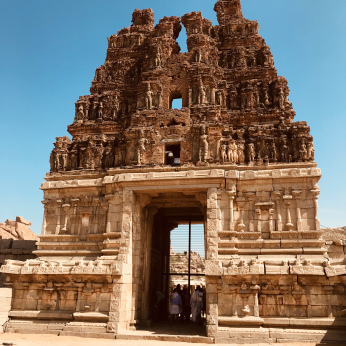
Hampi is a very significant place in terms of history and architecture and is also one of the best heritage sites in India. It is an ancient village that stands within the ruins of Vijayanagara empire and is situated on the banks of Tungabhadra River in northern Karnataka. The name Hampi is derived from the word ‘Pampa’ which is the old name for Tungabhadra river. Vijayanagara kingdom flourished under the rule of Krishnadevaraya and was among one of the richest cities in the world during 15th and 16th centuries. At present Hampi is an UNESCO World Heritage Site.
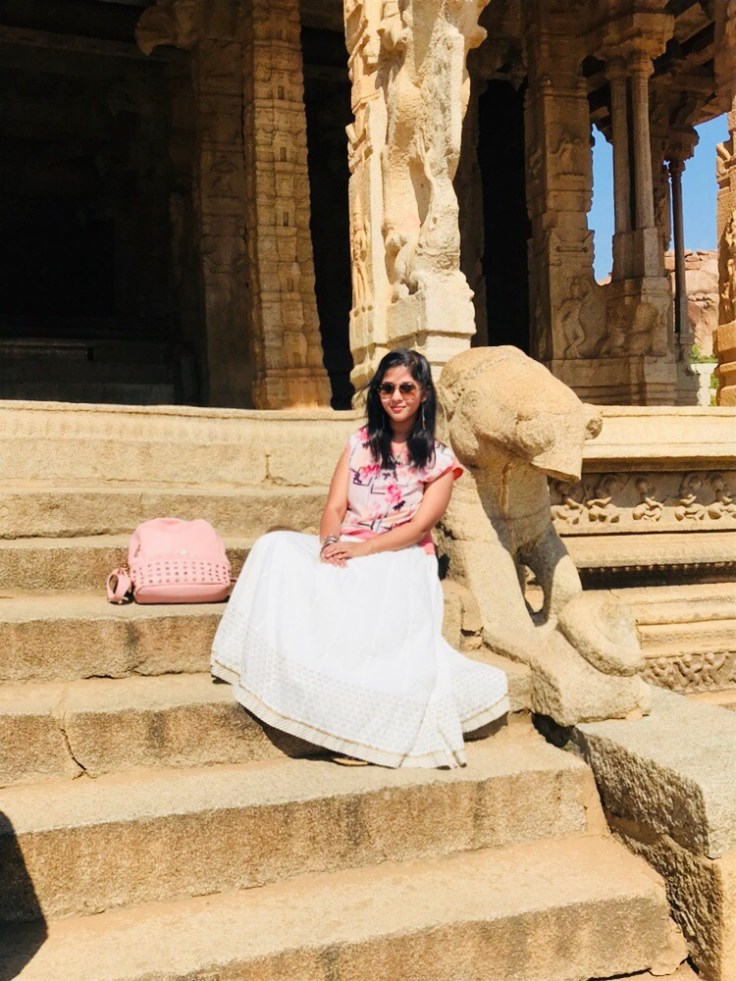
Here’s what you can do if you are planning a weekend getaway to Hampi.
DAY – 1
The closest railway station to reach Hampi is Hospet. Its an overnight train journey from Bangalore to Hospet. We reached Hospet around 7AM in the morning and we had a reservation in Krishna Palace Hotel which is a kilometre away from the railway station.
After freshening up, we were all set to explore Hampi. The best thing to do is to engage a tuktuk (its basically an auto but its called tuktuk here :P). They have standard fixed charges around 1200 INR for an entire day. The tuktuk driver also acts as your guide and tells you about the places that you are visiting and they drop you back to the hotel at the end of the day. Its funny that all the drivers and hotel waiters have varied kinds of english accents haha 😛
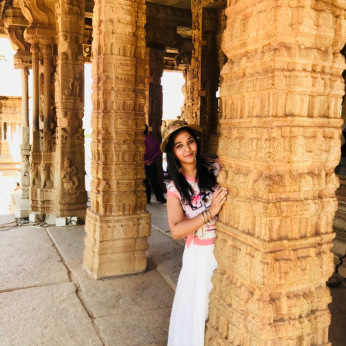
We started off the day by visiting the Vittala temple. This temple represents the highest watermark of the Vijayanagara style of art and architecture.No vehicles are allowed within 1-2 kms range of the temple premises. From the entrance, we had to take an electric cart to get to the temple area. The stone chariot at the entrance of the temple is probably one of the most stunning architectural achievements of that period. The temple also has a 100 pillar pavilion. It will take about 1.5 to 2 hours to cover the temple and its advisable to get a guide who can explain the significance of each part of the temple.
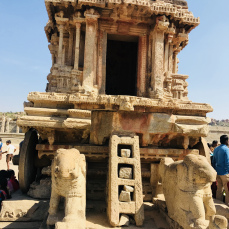

After this, we went for lunch to a place called Tamarind Tree. This is close to the Vittala temple and is a popular one among the tourists. They serve different types of thalis (combo meals) here.
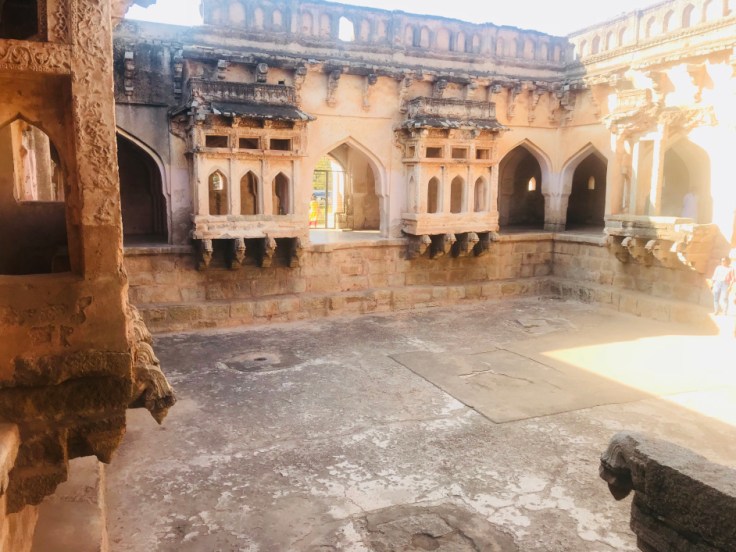
After having lunch, we headed to the Royal Center. This is an area of about 10-12kms and its has all the palace ruins and quarters of the palace staff and noble men. We first visited the Queen’s Bath. The whole building is made with a veranda around facing a big open pool at the middle. There are many balconies around the pool. The whole pool is open to the sky and is now empty. There is a big water channel encircling the building.
Our next stop was the Hazararama temple. This is the only temple situated in the royal enclosure. This temple is known for its sculptures along the walls depicting the entire story of Ramayana. The temple also has a few walls depicting stories from Bhagavata and Lord Krishna’s life.
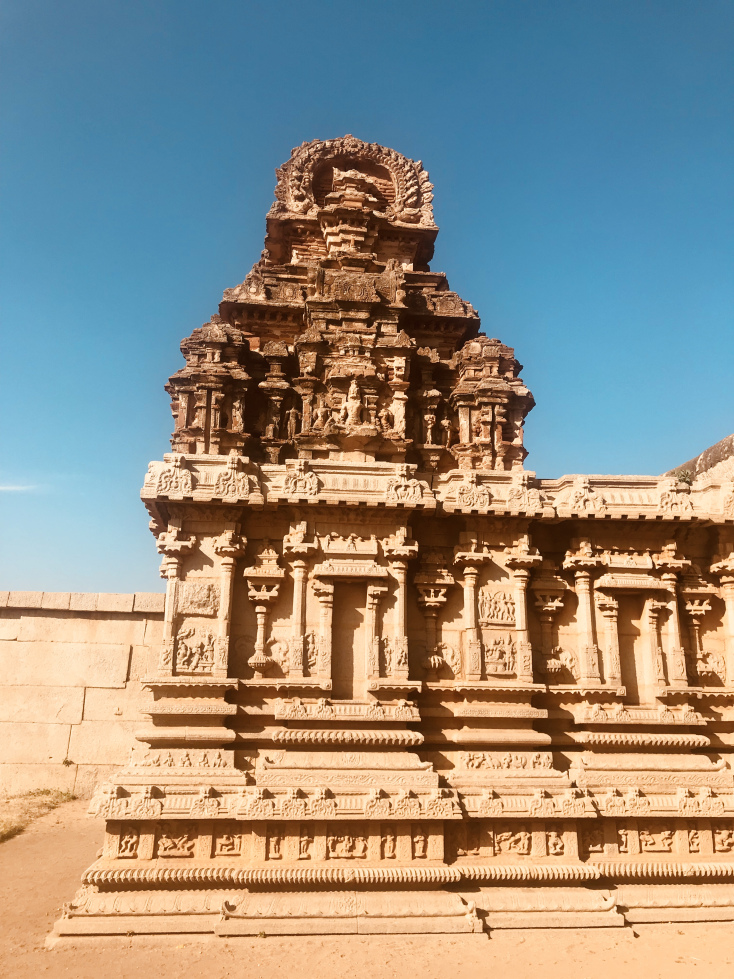
Hazararama Temple 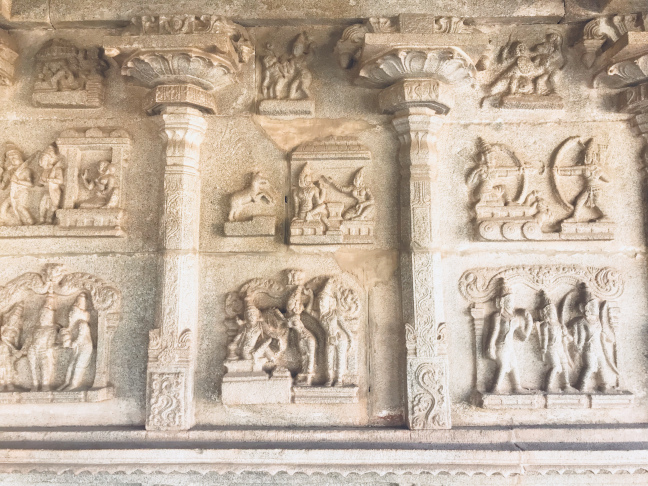
Ramayana Carvings
We then went to the Zanana Enclosure. This enclosure, which is a private area for the royal women, is surrounded by really high stone walls and it has the treasury building, queen’s residence and the Lotus Mahal. The lotus mahal is one of the few structures that is left undamaged. There are watch towers on all 4 directions of this enclosure. The architecture of all these buildings is indo-islamic.
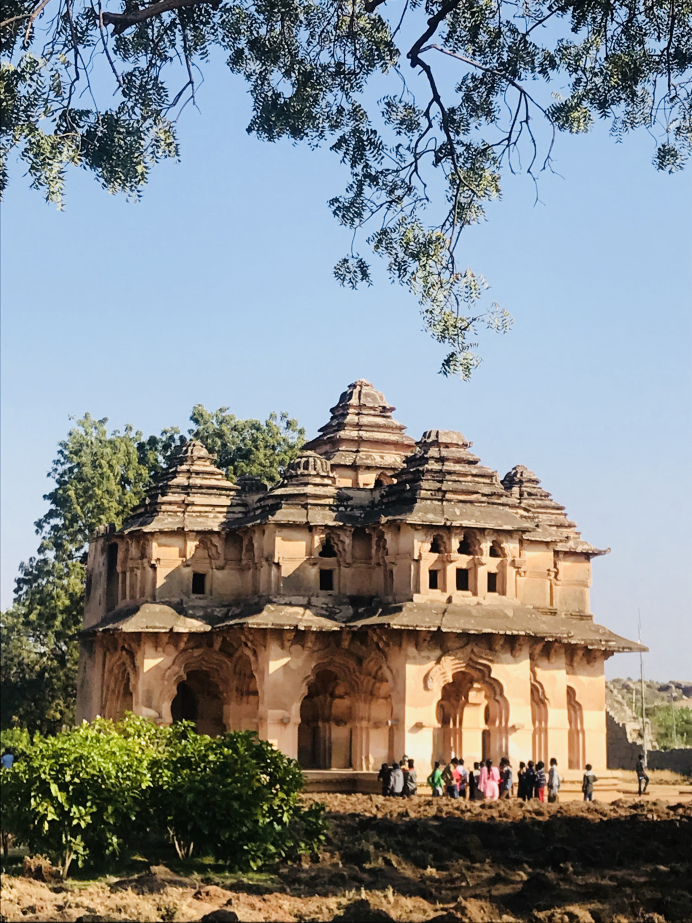
Lotus Mahal 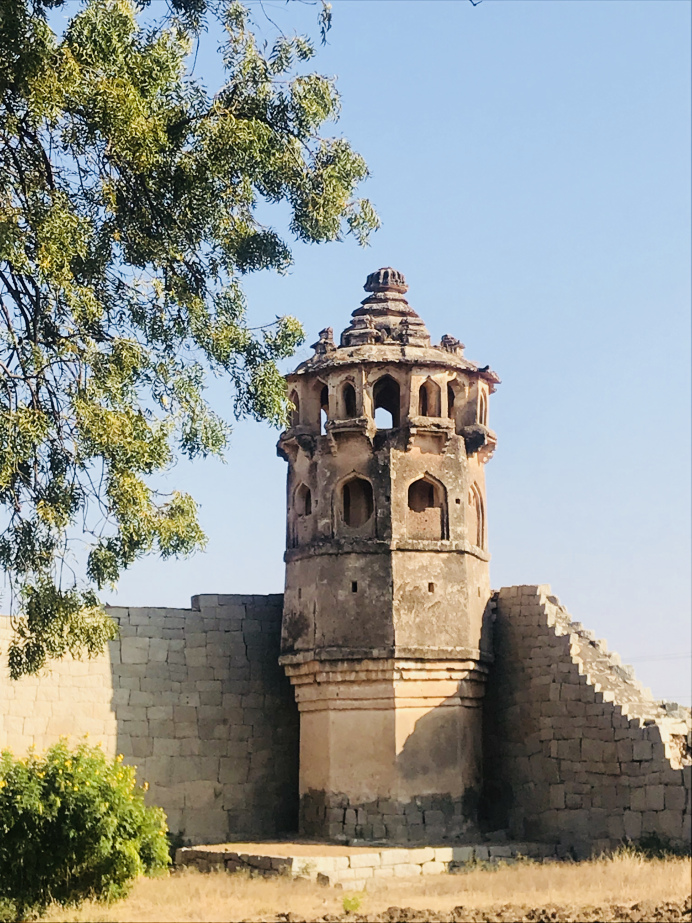
Watch Tower
Elephant Stable is also one among the few least destroyed structures in Hampi and is a major tourist attraction. This building has a symmetric structure and is considered to be the stable for all the state elephants. You can reach this place from the Zanana enclosure. From here you can also go to the Guard’s Quarters and then] to the Ranga Temple located to a bit south of it all.
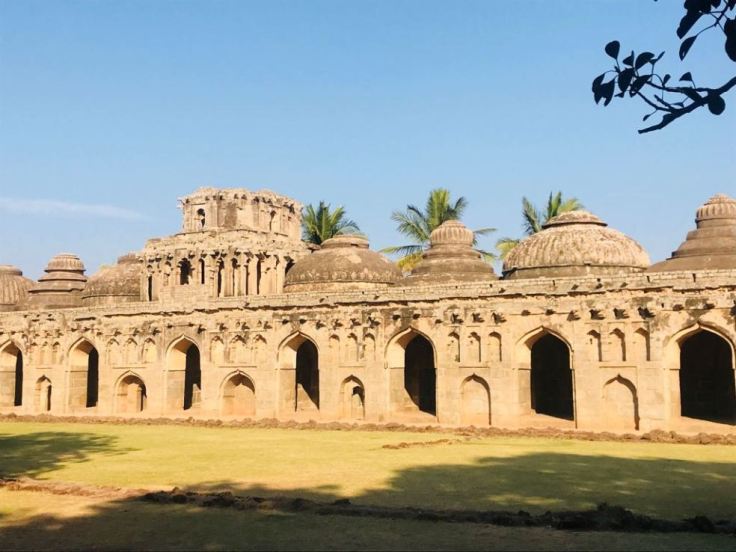
Our next hop was at the Lakshmi Narasimha Temple. The idol of the god here is about 7m in height. Most of the parts of the idol have been damaged and the archeological department has constructed a band around the idol to prevent it from further breakage. There is also a Shiva linga temple right next to this temple.
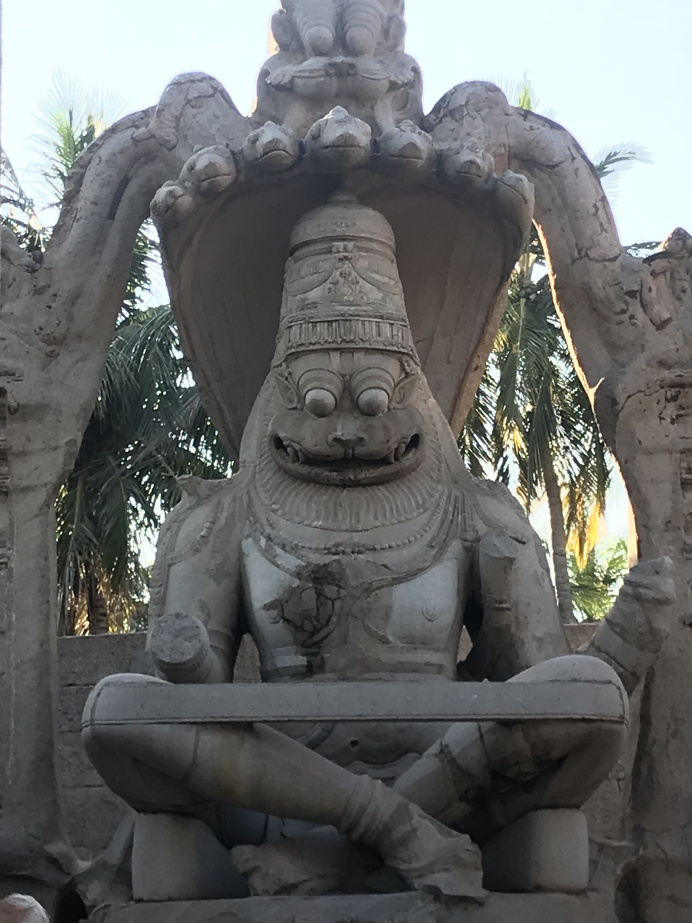
Narasimha Temple 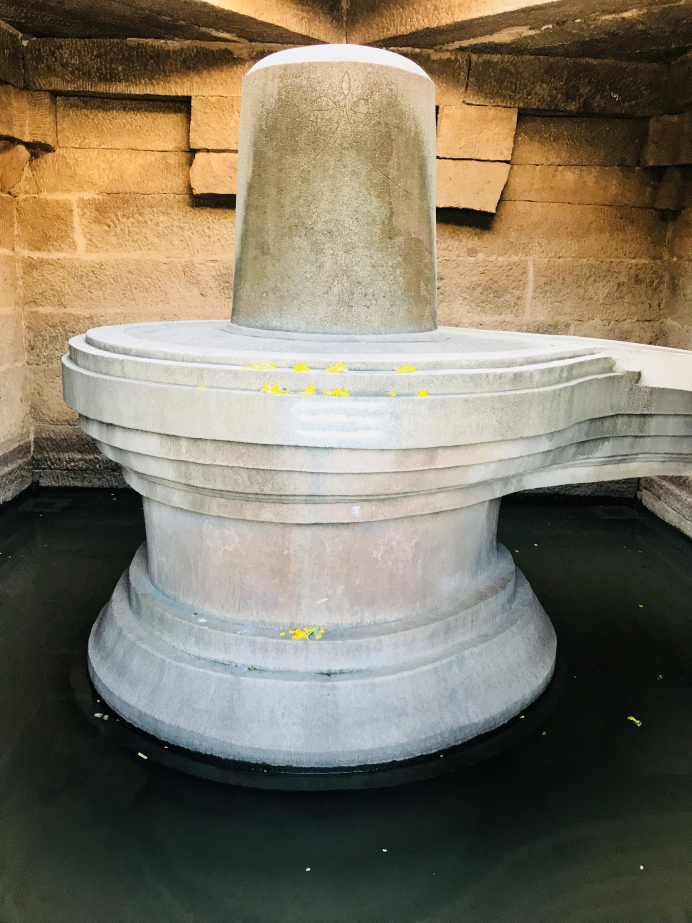
Linga Temple
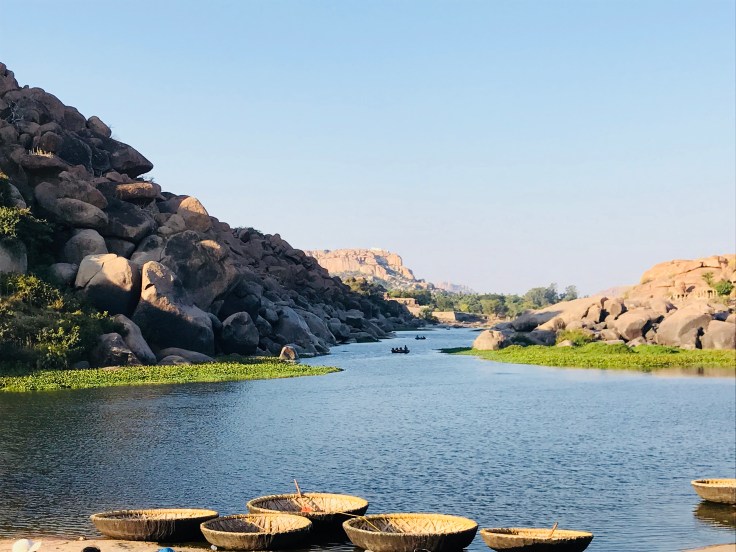
We then went to a boating place where they take you on a coracle on the Tungabhadra river. The place itself was beautiful. Nature at its best. Depending on the time you have, you can opt for a 30 mins to 1 hour ride. The entire place is very scenic.
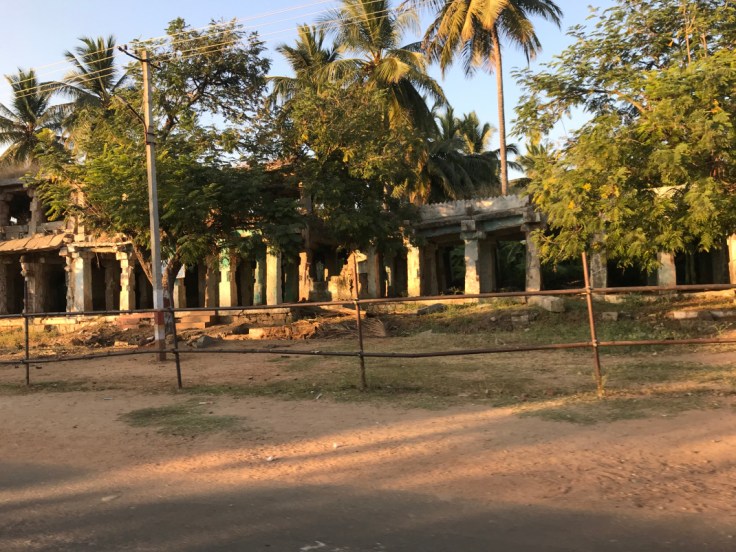
After this, we drove through the Hampi Bazar. During the 15th and 16th centuries, it is said that diamonds and other precious stones were put in heaps and sold in this market. This market road leads to one of the most famous temples in Hampi – Virupaksha Temple. This temple has been functioning from the 7th century AD and is one of the oldest temples in India.
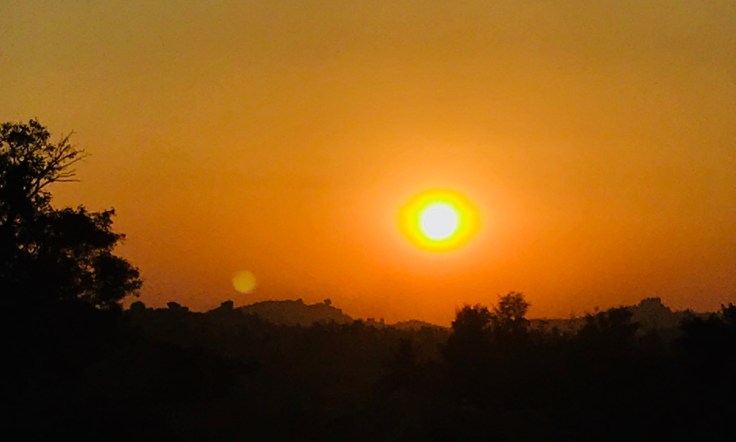
Our last stop for the day was the Matunga hill. This hilltop is the best point to get a complete view of Hampi and it is very close to the Hampi Bazar. There is a big statue of Ganesha at the foothills and a temple at the peak. This is the best place to view the sunset which usually happens around 6 PM. We have heard a lot about the beautiful sunrises and sunsets in Hampi. And I do completely agree with it. The sunset was magical and a treat to the eye. There would have been no better way to end the day. If you plan a trip to Hampi, this sunset point is definitely one thing that you shouldn’t miss.
We then came back to our hotel room and ended the day with a delicious dinner.
DAY – 2
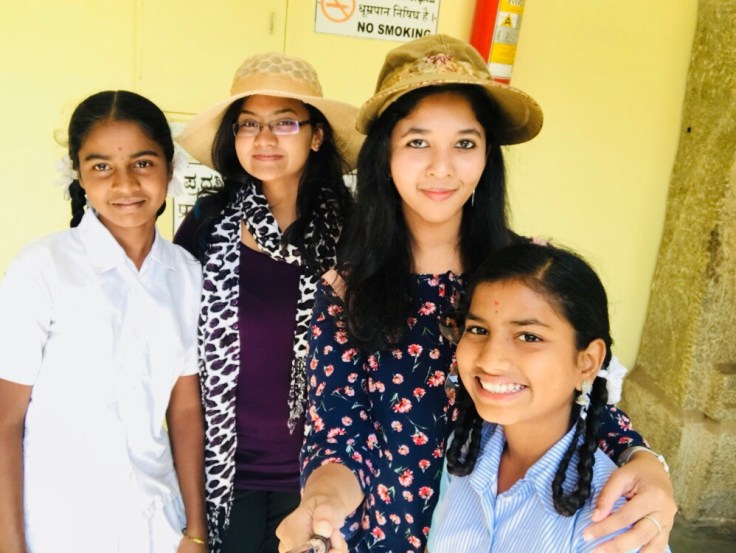
This was comparatively less loaded as we have covered almost all of the attractions in Hampi the previous day itself. We started our day by visiting the Hampi Archeological Museum that is located in Kamalapura. The museum exhibits include statues of various Gods from the 15th and 16th Century, tools, arms and coinages and other objects used during the Vijayanagara Empire days. We spoke to a couple of kids here from the local Hampi school and they were very enthusiastic about the future and have big dreams of becoming ‘heart doctors’ and ‘police officers’.
We then did some local shopping in Kamalapura and went to a restaurant called Mango Tree for lunch. The place was nice and they served both Indian and Italian cuisines.
Our final attraction to visit in Hampi was the Tungabhadra dam. Once we reached the dam enclosure, there are buses that will take us up to the lighthouse / viewing point. The first look of the dam from this point was amazing.
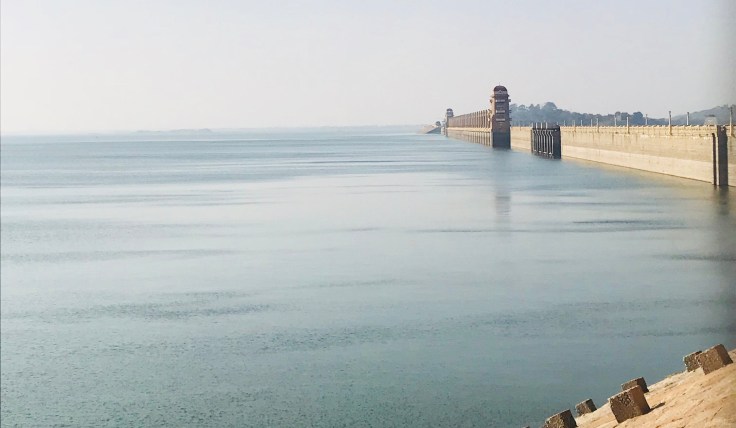
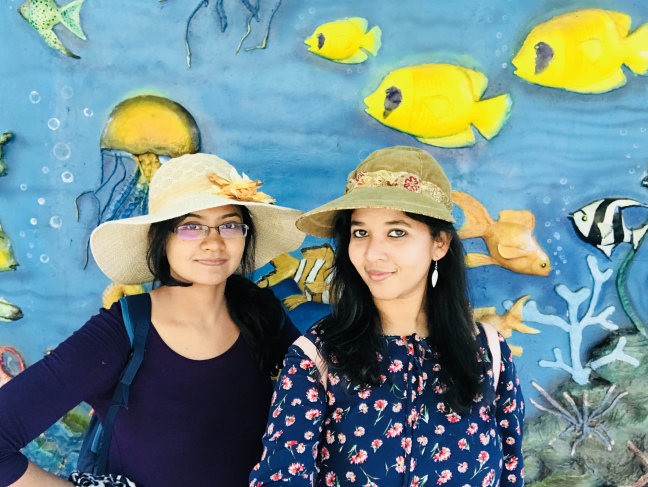
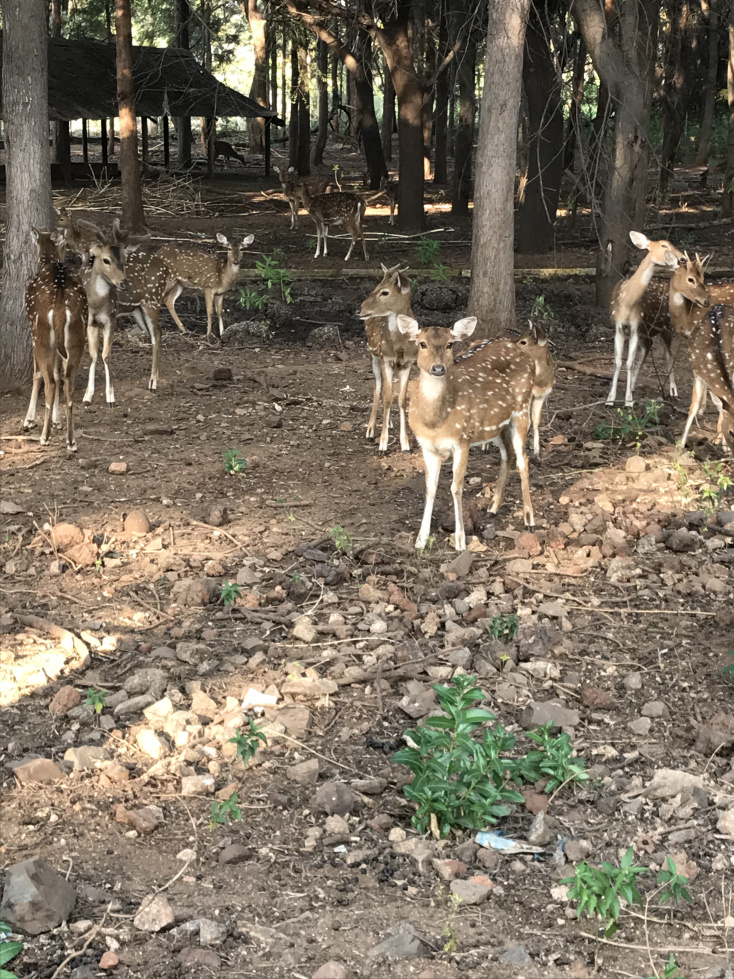
We then went to the Tungabhadra gardens which are beautiful and very well maintained. They also have a mini zoo, deer park, aviary and an aquarium here. The TB dam is also a must visit when you are in Hampi and it would take more than half a day to cover all the attractions here. And in the evenings around 6.30 PM they have a magical fountains light and sound show. We couldn’t catch this show as we were in a rush to get back to catch our train.
All in all, this was a great trip! Hampi is a perfect mix of history, nature and culture. It definitely has to be on the bucket list of every history and architecture enthusiast.
 The Travelista Tales